For bikepackers and tourers, comfort is a key performance metric. A well‑made carbon seatpost filters the endless buzz, so your legs stay fresh over multiple days.
Why a carbon seatpost is a touring essential
On multi‑day rides comfort compounds. Carbon fibre’s intrinsic ability to attenuate high‑frequency road buzz makes it ideal for cyclists riding over multiple days on mixed surfaces. A high‑quality carbon post should be designed so it is tuned to flex vertically (to mute chatter) while resisting torsional and lateral forces (so handling remains crisp when you’re out of the saddle or cornering with bags).
For a long time we have believed that comfort should drive component choices and this seems to be playing out more in research. Carbon seatposts deliver a rare balance of ride feel and weight savings. Better vibration absorption helps reduce fatigue; a key goal for 3–7 day trips and beyond.
How carbon damping actually helps on 100+ mile days
A finely controlled carbon layup will emphasise vertical compliance (comfort) while preserving lateral and torsional stiffness (efficiency). The result is a seatpost that takes the buzz out of cracked tarmac and gravel without feeling vague or spongy. This requires precision engineering where each carbon fibre layer is meticulously weaved together in the exact same direction.
Independent testing in the category has shown how, when designed and built well, carbon seatposts can measurably reduce transmitted vibration. One well‑known test has demonstrated a 7.9% advantage in absorption in lab conditions.
But lab tests don't capture every nuance and on the road performance is where it really counts. Our growing team of cyclists who test each of our components over thousands of miles consistently report (a) less back and saddle fatigue and (b) better focus in the last hour of long stages from our Litebike Seatpost collection.
Carbon seatposts will improve riding experience in slightly different ways on different surfaces. For example:
- Washboard gravel: Carbon vertical compliance reduces the high‑frequency buzz that leads to lower‑back and saddle fatigue late in the day.
- Bad quality tarmac roads: The right post filters background noise so you can stay aero and efficient, even when the surface is harsh.
- Loaded climbing: Light, stiff construction prevents energy loss as you grind seated with bags—no soggy pedaling feel.
- Long neutral zones and rolling lanes: Less micro‑shock through the contact points keeps you fresher for late‑stage climbs and headwinds.
Installation, setup, and care for carbon seatposts
Getting comfort and reliability requires proper installation. We always recommend using carbon assembly paste to achieve grip at lower torque and reduce the risk of cracks.
There are a few other steps that we would recommend taking if you are planning to ride for long periods, especially over multiple days:
- Set your saddle angle with care; a few millimeters at the nose can transform comfort at hour six.
- Re‑check bolt security after your first loaded shakedown ride—bags can change how forces move through the frame.
- Observe minimum insertion marks and protect the post from over‑clamping and misaligned clamps.

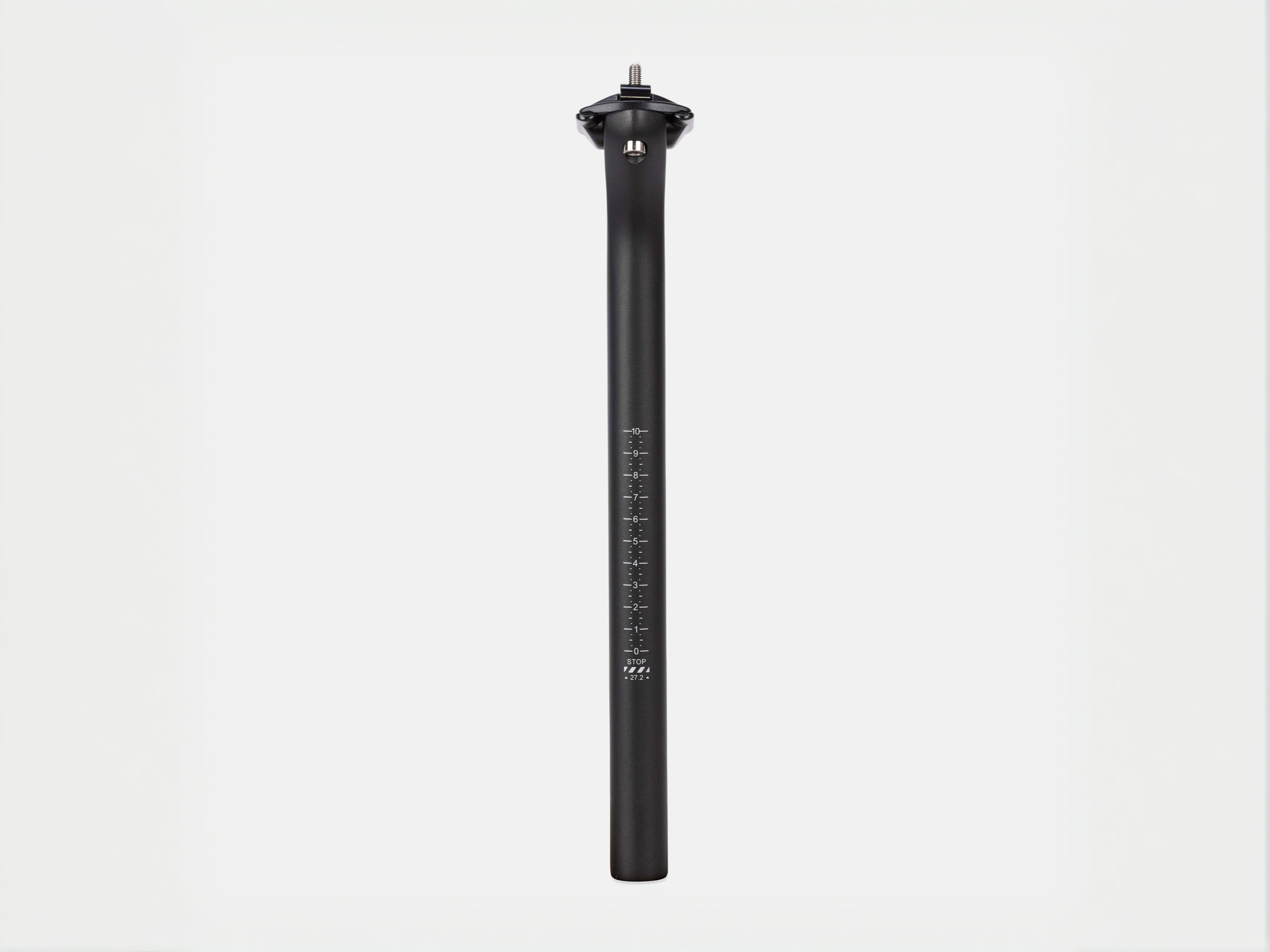
Litebike Falcon zero offset carbon seatpost 162g
- Lightweight at 162g
- Designed for enhanced vertical compliance
- Zero‑offset supports a forward, efficient climbing posture
- Balanced stiffness keeps handling precise with panniers
Choosing the right carbon seatpost
We offer a small selection of carbon seatposts. All engineered for performance and built to last. While there are slight differences in weight and price, the main difference in our rage is the offset of the seatpost.
Offset determines where the saddle sits relative to the bottom bracket. A zero-offset seatposts will keep you more forward, whereas a setback seatpost (like the Mach^3) will position you slightly further back.
If you’re between sizes or balancing cockpit length with a comfortable knee‑over‑pedal position, offset is one of the most powerful tools you have. Many tourers prefer a neutral to slightly forward position to keep hips open for long seated efforts, especially on climbs. While others prefer a more setback position to spread weight over the bike on rough gravel.